

If you’re noticing changes in your chest appearance, you’re not alone. Approximately 35% of men experience some form of chest enlargement during their lifetime, with prevalence rates reaching 24-65% in men aged 50-69. Understanding whether you have gynecomastia or pseudogynecomastia is crucial for determining the most effective treatment approach. While these conditions may appear similar, they have fundamentally different causes and require distinct treatment strategies.
The distinction between these two conditions goes beyond medical terminology – it directly impacts your treatment options, recovery timeline, and expected outcomes. Making the right diagnosis can mean the difference between a successful lifestyle intervention and the need for surgical correction. This comprehensive guide will help you understand the key differences, recognize the signs, and make informed decisions about your treatment path.
What Is the Fundamental Difference Between Gynecomastia and Pseudogynecomastia?
The core distinction lies in the type of tissue causing chest enlargement. True gynecomastia involves the growth of glandular breast tissue, while pseudogynecomastia results from fatty tissue accumulation. According to Dr. A.J. Khalil, a Beverly Hills breast surgeon, “True gynecomastia occurs when a man’s breasts accumulate excess glandular tissue (with or without excess adipose, or fat, tissue). This may happen if his hormones are imbalanced – or more specifically, if he is producing too much estrogen compared to testosterone.”
Dr. Vasisht further clarifies this distinction: “Gynecomastia involves the growth of glandular breast tissue, which feels firm, dense, or rubbery beneath the nipple. Pseudogynecomastia is caused by an accumulation of fatty tissue, which feels soft and spreads more evenly across the chest.” Understanding this fundamental difference is essential because each condition responds to different treatment approaches.
Understanding True Gynecomastia: Glandular Tissue Growth
True gynecomastia develops when hormonal imbalances trigger the growth of breast glandular tissue. This condition affects 50-60% of adolescent males during puberty and becomes increasingly common with age. The hormonal imbalance typically involves an altered estrogen-to-testosterone ratio, where either estrogen levels increase or testosterone levels decrease.
The glandular tissue in gynecomastia has distinct characteristics. It feels firm or rubbery to the touch, often forming a disc-shaped mass directly behind the nipple. This tissue cannot be reduced through diet or exercise because it’s not composed of fat cells. The condition can affect one or both breasts and may cause tenderness or sensitivity in the affected area.
Several factors can trigger gynecomastia, including certain medications, medical conditions affecting hormone production, and natural hormonal fluctuations during different life stages. According to medical literature, newborns experience rates of 60-90% due to maternal estrogen transfer, demonstrating how hormonal influences directly impact glandular tissue development.
Understanding Pseudogynecomastia: Fatty Tissue Accumulation
Pseudogynecomastia, in contrast, results purely from the accumulation of adipose (fat) tissue in the chest area. This condition directly correlates with overall body fat percentage and BMI, making it more common in overweight or obese individuals. Unlike true gynecomastia, pseudogynecomastia has no hormonal component.
The fatty tissue in pseudogynecomastia feels soft and malleable, distributing more evenly across the chest rather than concentrating behind the nipple. This tissue responds to the same factors that affect fat anywhere else in the body – caloric intake, exercise, and genetic fat distribution patterns. Men with pseudogynecomastia often notice their chest size fluctuates with weight changes.
It’s important to note that some men are genetically predisposed to store fat in the chest area, making pseudogynecomastia more noticeable even at relatively normal body weights. This genetic component explains why some men develop prominent chest fat while others with similar BMI do not.
How Can You Tell If You Have Gynecomastia or Pseudogynecomastia?
Distinguishing between these conditions requires careful examination of tissue characteristics and distribution patterns. our team from our team notes that he “often examines breast fat distribution and the ‘pinch test’ to identify the condition underlying the breast enlargement in men. The enlarged breast tends to be firm because of increased glandular tissue. Pseudogynecomastia, on the other hand, has a soft and fatty texture due to the accumulation of adipose tissue.”
The location and feel of the tissue provide crucial diagnostic clues. Gynecomastia typically presents as a firm, button-like mass centered behind the nipple-areolar complex. When you pinch the tissue, it feels dense and may be tender. Pseudogynecomastia feels uniformly soft throughout, similar to fat in other body areas.
Physical Examination and Self-Assessment Guidelines
To perform a basic self-assessment, lie flat on your back and gently pinch the tissue around your nipple between your thumb and forefinger. If you feel a firm, disc-shaped mass that seems distinct from the surrounding tissue, this suggests gynecomastia. If the tissue feels uniformly soft without a defined mass, pseudogynecomastia is more likely.
The distribution pattern also offers diagnostic insight. Gynecomastia often creates a more cone-shaped appearance with tissue concentrated behind the nipple, while pseudogynecomastia tends to spread more evenly across the chest, creating a rounder appearance. However, self-assessment has limitations, and professional evaluation remains essential for accurate diagnosis.
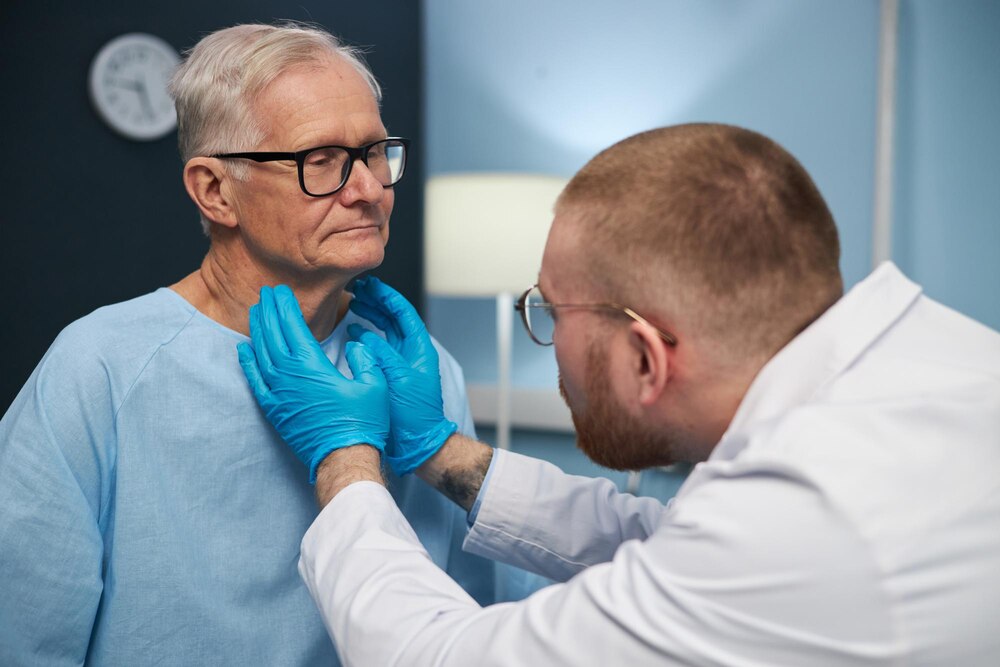
Consider seeking professional evaluation if you notice rapid changes in chest size, experience pain or tenderness, detect hard lumps, or have concerns about underlying hormonal issues. A healthcare provider can perform a more thorough examination and determine whether additional testing is necessary.
When Are Medical Tests and Imaging Necessary?
According to European Academy of Andrology guidelines, medical testing becomes necessary when the physical examination is inconclusive or when there are signs suggesting underlying pathology. Ultrasound imaging can definitively distinguish between glandular and fatty tissue, providing clear visualization of tissue composition.
Hormone panels may be ordered to check testosterone, estrogen, and other hormone levels, particularly in cases of recent onset or rapid progression. These tests help identify potential underlying causes such as hormonal disorders or medication side effects. A thorough medication review is also crucial, as numerous drugs can trigger gynecomastia.
Mammography might be recommended in specific cases, particularly for older men or when unusual features are present. While less common, these imaging studies can rule out rare but serious conditions and provide additional diagnostic certainty.
Can Pseudogynecomastia Be Fixed With Weight Loss and Exercise?
Since pseudogynecomastia consists entirely of fatty tissue, weight loss through diet and exercise can significantly reduce or eliminate the condition. Studies show that men who achieve and maintain a healthy body fat percentage often see substantial improvement in chest appearance. However, the timeline and degree of improvement vary based on individual factors.
The effectiveness of weight loss depends on overall fat distribution patterns and starting body composition. Some men see dramatic improvement with a 10-15% reduction in body weight, while others may need to reach lower body fat percentages to see significant changes in chest appearance. Genetics play a crucial role in determining where your body loses fat first.
Diet and Exercise Strategies for Pseudogynecomastia
Effective fat reduction requires creating a consistent caloric deficit through a combination of dietary changes and increased physical activity. Aim for a moderate deficit of 300-500 calories daily to promote steady, sustainable fat loss while preserving muscle mass. Focus on whole foods, lean proteins, and complex carbohydrates while limiting processed foods and excess sugars.
Incorporate both cardiovascular exercise and strength training into your routine. While you cannot spot-reduce chest fat, building chest muscles through exercises like push-ups, bench presses, and flyes can improve overall chest appearance as fat decreases. Most men need to reach body fat percentages between 10-15% to see significant reduction in chest fat.
Expect the process to take several months. A realistic timeline involves losing 1-2 pounds per week, meaning significant changes might take 3-6 months or longer depending on starting point. Patience and consistency are essential, as the chest area is often one of the last places men lose fat.
When Weight Loss Alone Isn’t Enough
Despite successful weight loss, some men find that chest fat persists even at low body fat percentages. This stubborn fat retention can be frustrating and may indicate a genetic predisposition to store fat in the chest area. Additionally, significant weight loss can leave excess skin that creates a sagging appearance.
The psychological impact of persistent chest enlargement after substantial weight loss efforts shouldn’t be underestimated. Many men report feeling discouraged when months of dedicated effort don’t fully resolve the issue. In these cases, surgical intervention may be the most effective solution for achieving desired chest contours.
Treatment Options: Comparing Surgical Approaches for Each Condition
When conservative measures fail or aren’t appropriate, surgical intervention offers definitive treatment for both conditions. The surgical approach differs significantly based on tissue type, with gynecomastia requiring gland excision and pseudogynecomastia typically treated with liposuction alone. Understanding your specific type of tissue enlargement helps determine the most appropriate surgical technique.
Surgical planning involves careful assessment of tissue composition, skin quality, and aesthetic goals. Board-certified plastic surgeons use various techniques to achieve optimal chest contours while minimizing scarring and preserving nipple sensation. The choice of technique directly impacts recovery time, scar placement, and long-term results.
Gynecomastia Treatment: Gland Excision and Combined Approaches
True gynecomastia requires direct surgical excision of the glandular tissue. This procedure involves making an incision, typically along the lower border of the areola, to access and remove the firm glandular tissue. The surgeon carefully preserves a small amount of tissue behind the nipple to prevent a sunken appearance.
Many cases benefit from combining excision with liposuction to address any accompanying fatty tissue and create smooth contours. This combined approach allows for comprehensive reshaping while minimizing the need for extensive incisions. Recovery typically involves wearing compression garments for 4-6 weeks and avoiding strenuous upper body exercise for about a month.
Success rates for gynecomastia surgery are high, with most patients reporting significant satisfaction with their results. The removed glandular tissue doesn’t regrow, making results permanent as long as hormonal balance is maintained and significant weight gain is avoided.
Pseudogynecomastia Treatment: Liposuction and Body Contouring
Pseudogynecomastia responds well to liposuction techniques, which remove fatty tissue through small, strategically placed incisions. Modern techniques like power-assisted or ultrasound-assisted liposuction can effectively sculpt the chest while promoting skin retraction. The procedure typically takes 1-2 hours and can be performed under local anesthesia with sedation.
Ideal candidates have good skin elasticity and localized fat deposits resistant to diet and exercise. Results are immediately visible, though final contours emerge over 3-6 months as swelling resolves and skin retracts. Maintaining a stable weight is crucial for preserving results, as remaining fat cells can expand with weight gain.
For patients with significant skin laxity after major weight loss, additional skin tightening procedures may be necessary. These can be performed simultaneously or as a staged procedure depending on individual circumstances.
Mixed-Type Cases: When Both Conditions Are Present
Many patients present with a combination of glandular and fatty tissue, requiring a hybrid surgical approach. These mixed cases are actually quite common, particularly in men who are overweight but also have hormonal components contributing to their chest enlargement. Surgical planning becomes more complex, requiring careful assessment of tissue proportions.
Treatment typically involves both gland excision and liposuction performed during the same procedure. The surgeon must balance tissue removal to achieve symmetry while avoiding over-resection that could create contour irregularities. Recovery and results are similar to pure gynecomastia surgery, with permanent removal of glandular tissue and long-lasting fat reduction.
Age-Specific Considerations: From Adolescence to Older Adults
Age significantly influences both the prevalence and treatment approach for chest enlargement. Recent data shows that 60-90% of newborn boys have palpable breast tissue due to maternal hormone exposure, while adolescent rates range from 50-60%. In older men aged 50-69, prevalence increases to 24-65%, reflecting age-related hormonal changes.
Treatment timing and approach vary considerably across age groups. While adolescent gynecomastia often resolves spontaneously, adult-onset cases typically require intervention. Understanding age-specific patterns helps guide appropriate treatment decisions and timing.
Adolescent Gynecomastia and Pseudogynecomastia
Pubertal gynecomastia is extremely common, with recent studies showing a 1.08% occurrence rate requiring medical attention among nearly 600,000 adolescent boys. Most cases resolve within 6-24 months as hormone levels stabilize. However, the psychological impact during these formative years can be significant, affecting self-esteem and social participation.
For adolescents, conservative management is typically recommended initially. Surgery is generally delayed until at least age 17-18 to allow for potential spontaneous resolution and completion of chest development. In cases of pseudogynecomastia related to adolescent weight gain, lifestyle interventions should be tried first, as young bodies often respond well to diet and exercise modifications.
Adult and Age-Related Changes
Adult-onset gynecomastia often has different underlying causes than adolescent cases. Declining testosterone levels, increased aromatase activity converting testosterone to estrogen, and medication side effects become more common factors. The incidence has increased dramatically in recent decades, with some age groups seeing a 10-fold increase from 1998 to 2017.
Older adults may face additional considerations for surgical treatment, including medical comorbidities and medication interactions. However, age alone shouldn’t preclude treatment if the patient is otherwise healthy. Many older men report significant quality of life improvements after addressing long-standing chest enlargement.
Long-Term Outcomes and What to Expect After Treatment
Understanding realistic long-term outcomes helps set appropriate expectations for any treatment approach. Surgical interventions for both gynecomastia and pseudogynecomastia show high satisfaction rates, with most patients reporting improved self-confidence and body image. However, maintaining results requires ongoing commitment to healthy lifestyle choices.
The permanence of results varies by condition and treatment type. Glandular tissue removed during gynecomastia surgery doesn’t regenerate, providing permanent correction unless new hormonal imbalances develop. Fat removed through liposuction for pseudogynecomastia is also permanently gone, though remaining fat cells can expand with weight gain.
Surgical Results and Recovery Timeline
Initial recovery involves managing swelling and wearing compression garments to support healing and skin retraction. Most patients return to desk work within a week and resume light exercise after 2-3 weeks. Full recovery with final contour refinement takes 3-6 months as residual swelling resolves and scars mature.
Scar appearance improves significantly over the first year, with most incisions becoming barely noticeable. Following post-operative instructions carefully, including scar management protocols and activity restrictions, optimizes healing and aesthetic outcomes. Regular follow-up appointments allow your surgeon to monitor progress and address any concerns.
Maintaining Results and Preventing Recurrence
Long-term success requires maintaining hormonal balance and stable body weight. Regular monitoring of hormone levels may be recommended, particularly for men on testosterone replacement therapy or medications known to affect hormone balance. Weight fluctuations of more than 10-15 pounds can affect chest appearance, particularly in pseudogynecomastia cases.
Lifestyle factors play a crucial role in preventing recurrence. Maintaining a healthy diet, regular exercise routine, and avoiding medications or supplements that can trigger gynecomastia helps preserve surgical results. Some patients benefit from periodic check-ups to monitor for any changes that might indicate developing issues.
Making the Right Treatment Decision: Next Steps
Choosing the appropriate treatment path starts with accurate diagnosis. Whether you have gynecomastia, pseudogynecomastia, or a combination of both fundamentally determines your treatment options. Professional evaluation by a qualified specialist provides the diagnostic clarity needed to develop an effective treatment plan.
Consider your individual circumstances when making treatment decisions. Factors including age, overall health, severity of the condition, and personal goals all influence the optimal approach. Insurance coverage guidelines in Massachusetts may cover gynecomastia surgery when specific medical criteria are met, though pseudogynecomastia treatment is typically considered cosmetic.
The journey to resolving chest enlargement begins with understanding your specific condition. Armed with knowledge about the differences between gynecomastia and pseudogynecomastia, you can make informed decisions about your health and pursue the most appropriate treatment path. Whether through lifestyle changes, medical management, or surgical intervention, effective solutions exist for both conditions. Taking the first step toward professional evaluation opens the door to reclaiming your confidence and achieving the chest contours you desire.



