

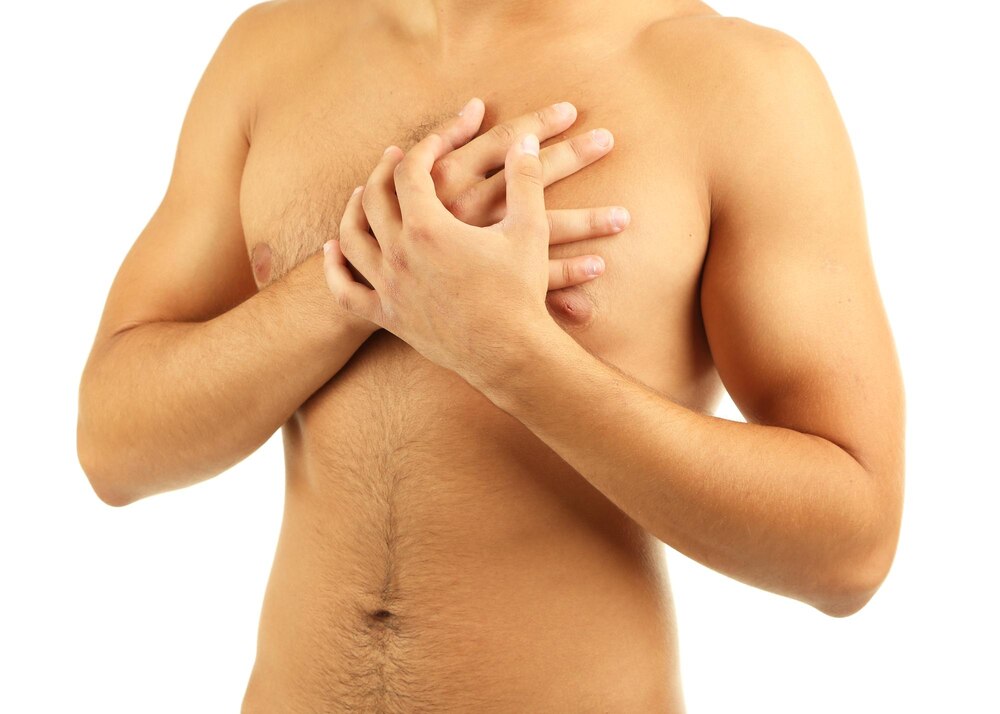
When you notice changes in your chest appearance, understanding whether you’re dealing with gynecomastia or pseudogynecomastia becomes crucial for determining the right treatment path. While both conditions result in enlarged male breast tissue, they stem from fundamentally different causes and require distinct approaches to treatment. This comprehensive guide will help you identify the key differences between these conditions and explore the most effective treatment options available.
The distinction between gynecomastia and pseudogynecomastia lies in the type of tissue causing the enlargement. True gynecomastia involves the growth of glandular breast tissue, while pseudogynecomastia results from fat accumulation in the chest area. Understanding your specific condition directly impacts treatment success, as surgical techniques, recovery expectations, and even the potential for non-surgical improvement vary significantly between the two.
Understanding Gynecomastia: True Glandular Tissue Growth
Gynecomastia represents the benign proliferation of glandular breast tissue in males, creating a firm, often sensitive mass beneath the nipple-areolar complex. This condition results from hormonal imbalances between estrogen and testosterone, though research shows that 45.1% of cases have no identifiable cause. The glandular tissue growth distinguishes true gynecomastia from simple fat accumulation, requiring specific diagnostic and treatment approaches.
The development of gynecomastia typically follows hormonal fluctuations during key life stages. Newborns, adolescents going through puberty, and older men experiencing natural testosterone decline represent the most affected populations. This glandular tissue feels distinctly different from surrounding fat – it’s firmer, more rubbery, and often creates a disc-like mass that can be felt during physical examination.
Prevalence and Age Distribution of Gynecomastia
The prevalence of gynecomastia varies dramatically across age groups, affecting approximately 35% of men overall with an average incidence of 3.4 per 10,000 men per year. During adolescence, the condition reaches its peak, with up to 65% of 14-year-old boys experiencing some degree of breast tissue development. This high adolescent prevalence typically resolves spontaneously within one to two years as hormone levels stabilize.
In adult populations, gynecomastia shows another surge between ages 50 and 69, when natural testosterone decline and increased estrogen conversion contribute to glandular tissue growth. Interestingly, 56.5% of adult cases present bilaterally, affecting both breasts, though the degree of enlargement may differ between sides. Understanding these age-related patterns helps men recognize when their symptoms align with typical gynecomastia development.
Physical Characteristics of True Gynecomastia
True gynecomastia presents distinct physical characteristics that differentiate it from fat accumulation. The glandular tissue creates a firm, palpable mass centered around the nipple-areolar complex, typically extending outward in a disc or cone shape. This tissue feels rubbery or firm to the touch, contrasting sharply with the softer consistency of surrounding fatty tissue.
Pain and sensitivity represent hallmark symptoms of gynecomastia, particularly during the active growth phase. Many men report tenderness when clothing brushes against the nipples or discomfort during physical activities. The nipple-areolar complex may also appear puffy or protruding, creating a feminine breast contour that persists regardless of body position or temperature changes.
What Is Pseudogynecomastia: Fat Accumulation vs Glandular Growth
Pseudogynecomastia, despite its similar appearance to true gynecomastia, involves only adipose (fat) tissue accumulation in the chest area without any glandular component. This condition typically correlates with overall body weight and fat distribution patterns, making it more responsive to lifestyle modifications than true gynecomastia. The absence of hormonal involvement means pseudogynecomastia can develop at any age, though it becomes more common with weight gain or obesity.
Unlike the firm, discrete masses found in gynecomastia, pseudogynecomastia creates a softer, more diffuse chest enlargement that blends seamlessly with surrounding body fat. The tissue moves freely and lacks the characteristic rubbery texture of glandular tissue. This fundamental difference in tissue composition drives the divergent treatment approaches for each condition.
How Pseudogynecomastia Differs from True Gynecomastia
The primary distinction between pseudogynecomastia and true gynecomastia lies in tissue consistency and associated symptoms. Pseudogynecomastia tissue feels soft and malleable, similar to fat deposits elsewhere on the body. When lying down, the chest typically flattens more than with true gynecomastia, as fat redistributes with gravity rather than maintaining the firm, projected appearance of glandular tissue.
Notably absent in pseudogynecomastia are the pain and sensitivity that often accompany glandular tissue growth. Men with pseudogynecomastia rarely experience nipple tenderness or the shooting pains sometimes reported with gynecomastia. Additionally, the chest enlargement in pseudogynecomastia tends to be more proportional to overall body fat, increasing and decreasing with weight fluctuations.
Can Weight Loss Resolve Pseudogynecomastia?
Weight loss through diet and exercise often significantly improves or completely resolves pseudogynecomastia, as the condition stems from excess fat rather than glandular tissue. A comprehensive approach combining cardiovascular exercise to burn calories with strength training to build chest muscle can reshape the chest contour effectively. Many men see substantial improvement after losing 10-20% of their body weight.
However, the response to weight loss varies based on individual fat distribution patterns and skin elasticity. Some men may find that chest fat proves particularly stubborn, persisting despite overall weight reduction. In these cases, targeted chest exercises like push-ups, bench presses, and cable flys can help build underlying muscle to create a more masculine chest appearance, though they won’t specifically eliminate fat in that area.
Diagnostic Methods: How Doctors Determine Your Condition
Accurate diagnosis between gynecomastia and pseudogynecomastia requires careful clinical evaluation, as treatment approaches differ significantly. Physicians begin with a detailed medical history, exploring medication use, hormonal symptoms, weight changes, and family history. This initial assessment helps identify potential causes and guides the physical examination approach.
The diagnostic process prioritizes distinguishing glandular from fatty tissue through systematic examination techniques. According to clinical guidelines, palpable firm glandular tissue in a concentric mass around the nipple areolar complex most consistently indicates gynecomastia. This clinical differentiation forms the foundation for appropriate treatment planning.
Physical Examination Techniques
During physical examination, physicians use specific palpation techniques to identify tissue characteristics. The patient typically lies flat with hands behind the head while the examiner gently pinches the breast tissue between thumb and forefinger, moving from the periphery toward the nipple. Glandular tissue creates a distinct ridge or disc that can be grasped and moved as a unit, while fatty tissue feels uniformly soft without discrete masses.
The examination also assesses for asymmetry, nipple discharge, and lymph node enlargement that might suggest other conditions. Physicians measure the diameter of any palpable glandular tissue, as masses exceeding 2 centimeters generally confirm gynecomastia diagnosis. The presence of a firm, mobile, disc-like mound of tissue beneath the nipple-areolar complex definitively distinguishes true gynecomastia from pseudogynecomastia.
When Additional Testing Is Needed
While physical examination usually suffices for diagnosis, certain presentations warrant additional testing. Ultrasound imaging may be ordered when physical examination proves inconclusive, particularly in obese patients where palpation becomes challenging. This imaging clearly differentiates dense glandular tissue from surrounding fat, providing definitive tissue characterization.
Hormone testing becomes relevant when gynecomastia appears suddenly, progresses rapidly, or presents with other endocrine symptoms. Blood tests measuring testosterone, estradiol, luteinizing hormone, and thyroid function can identify underlying hormonal imbalances. However, given that nearly half of gynecomastia cases remain idiopathic despite thorough evaluation, extensive testing isn’t always necessary for straightforward presentations.
Treatment Options for Gynecomastia
True gynecomastia treatment centers on surgical intervention, as glandular tissue doesn’t respond to diet, exercise, or non-invasive treatments. Male breast reduction surgery combines direct glandular excision with liposuction to achieve optimal chest contouring. The surgical approach varies based on the amount of glandular tissue, skin excess, and individual anatomy, but consistently delivers high satisfaction rates.
Modern gynecomastia surgery techniques minimize scarring while maximizing aesthetic outcomes. Surgeons typically make small incisions along the areolar border to remove glandular tissue directly, preserving enough tissue to prevent nipple depression. When significant fat accompanies the glandular component, ultrasonic or power-assisted liposuction helps sculpt the surrounding chest area for natural-looking results.
Surgical Success Rates and Patient Satisfaction
Gynecomastia surgery demonstrates exceptional success rates, with studies showing 90-95% of patients achieving significant aesthetic improvement. A comprehensive analysis of 448 patients revealed a 92.9% overall satisfaction rate, with 67.9% reporting being very satisfied and 25% satisfied with their results. These high satisfaction rates reflect both the physical transformation and psychological benefits of restoring a masculine chest contour.
Long-term outcomes remain stable, as surgically removed glandular tissue doesn’t regenerate. Most patients return to normal activities within 2-3 weeks, with full recovery and final results visible after 3-6 months. The combination of permanent tissue removal and high patient satisfaction makes surgery the gold standard for treating true gynecomastia.
Bilateral vs Unilateral Gynecomastia Treatment
With 56.5% of gynecomastia cases presenting bilaterally, surgeons must carefully plan treatment to ensure chest symmetry. Bilateral cases often require different amounts of tissue removal from each side, as glandular development rarely occurs equally. Surgeons assess each breast independently, tailoring the excision and liposuction approach to achieve balanced, natural-looking results.
Unilateral gynecomastia presents unique challenges in matching the affected side to the normal chest contour. Treatment focuses on removing just enough tissue to create symmetry without over-resecting, which could create a depression. Some cases may require minor adjustment to the unaffected side through minimal liposuction to achieve perfect symmetry.
Treatment Approaches for Pseudogynecomastia
Pseudogynecomastia treatment offers more flexibility than true gynecomastia, with both non-surgical and surgical options available depending on severity and patient goals. Since the condition involves only fat accumulation, lifestyle modifications can produce significant improvement for many patients. The treatment approach typically begins conservatively, progressing to surgical intervention only when non-surgical methods prove insufficient.
The key to successful pseudogynecomastia treatment lies in setting realistic expectations based on individual factors like skin elasticity, fat distribution patterns, and commitment to lifestyle changes. While some men achieve complete resolution through diet and exercise alone, others may require surgical assistance to achieve their desired chest contour, particularly when dealing with stubborn fat deposits or excess skin.
Non-Surgical Methods: Diet and Exercise
A structured approach to diet and exercise forms the foundation of non-surgical pseudogynecomastia treatment. Caloric deficit through portion control and increased physical activity initiates overall fat loss, including chest fat reduction. Combining cardiovascular exercise for fat burning with resistance training for muscle development creates the most effective non-surgical treatment strategy.
Specific chest-targeting exercises build pectoral muscles that improve chest shape even before significant fat loss occurs. Progressive overload through exercises like incline presses, dips, and cable crossovers develops upper, middle, and lower chest definition. While spot reduction remains impossible, this comprehensive approach maximizes the likelihood of achieving a masculine chest contour without surgery.
When Surgery Is Recommended for Pseudogynecomastia
Surgical treatment for pseudogynecomastia becomes appropriate when fat deposits persist despite successful weight loss or when skin laxity prevents satisfactory contouring. Liposuction alone often suffices for pseudogynecomastia, as no glandular tissue requires excision. Modern techniques like ultrasonic-assisted or power-assisted liposuction efficiently remove fibrous chest fat while promoting skin retraction.
Patients with significant weight loss may require skin excision in addition to liposuction to address excess, sagging skin. The surgical approach depends on the degree of skin redundancy, ranging from periareolar excision for mild cases to more extensive reduction patterns for severe skin excess. These procedures restore a flat, masculine chest contour when non-surgical methods cannot adequately address the cosmetic concerns.
Making the Right Treatment Decision
Choosing between treatment options requires careful consideration of your specific condition, lifestyle factors, and personal goals. The first step involves obtaining an accurate diagnosis to distinguish between gynecomastia and pseudogynecomastia, as this fundamentally determines whether non-surgical approaches might succeed. Understanding that true gynecomastia won’t respond to diet and exercise prevents wasted time and frustration pursuing ineffective treatments.
Consider your timeline expectations and commitment level when evaluating treatment options. Non-surgical approaches for pseudogynecomastia require months of consistent effort with gradual results, while surgery provides definitive correction within weeks. Factor in recovery time, cost considerations, and your comfort level with surgical intervention when making your decision.
Questions to Ask Your Doctor
Preparing specific questions for your consultation ensures you gather all necessary information for an informed decision. Ask your doctor to clearly explain whether you have glandular tissue, fat, or both contributing to your chest enlargement. Request details about the examination findings that support their diagnosis and whether any additional testing might provide valuable information.
Inquire about all available treatment options for your specific condition, including success rates and typical outcomes. Ask about the surgeon’s experience with similar cases, request to see before and after photos, and discuss realistic expectations for your individual situation. Understanding potential complications, recovery timeline, and long-term results helps you make a confident treatment decision.
Expected Outcomes for Each Condition
Realistic expectations prevent disappointment and ensure satisfaction with your chosen treatment path. True gynecomastia treated surgically typically achieves 90-95% improvement with permanent results, as removed glandular tissue doesn’t return. Most patients report immediate relief from sensitivity and see final aesthetic results within 3-6 months post-surgery.
Pseudogynecomastia outcomes vary more widely based on treatment approach and individual factors. Non-surgical treatment through weight loss may take 6-12 months to show significant improvement, with results dependent on adherence to diet and exercise programs. Surgical treatment of pseudogynecomastia through liposuction provides immediate fat removal with final contouring visible after swelling resolves in 2-3 months. Both conditions, when properly diagnosed and treated, offer excellent potential for achieving a masculine chest contour.
Understanding the fundamental differences between gynecomastia and pseudogynecomastia empowers you to pursue the most effective treatment for your specific condition. While both conditions affect chest appearance, their distinct tissue compositions – glandular versus fatty – require different therapeutic approaches. Whether through surgical intervention for true gynecomastia or lifestyle modifications for pseudogynecomastia, appropriate treatment based on accurate diagnosis leads to successful outcomes and restored confidence.



