

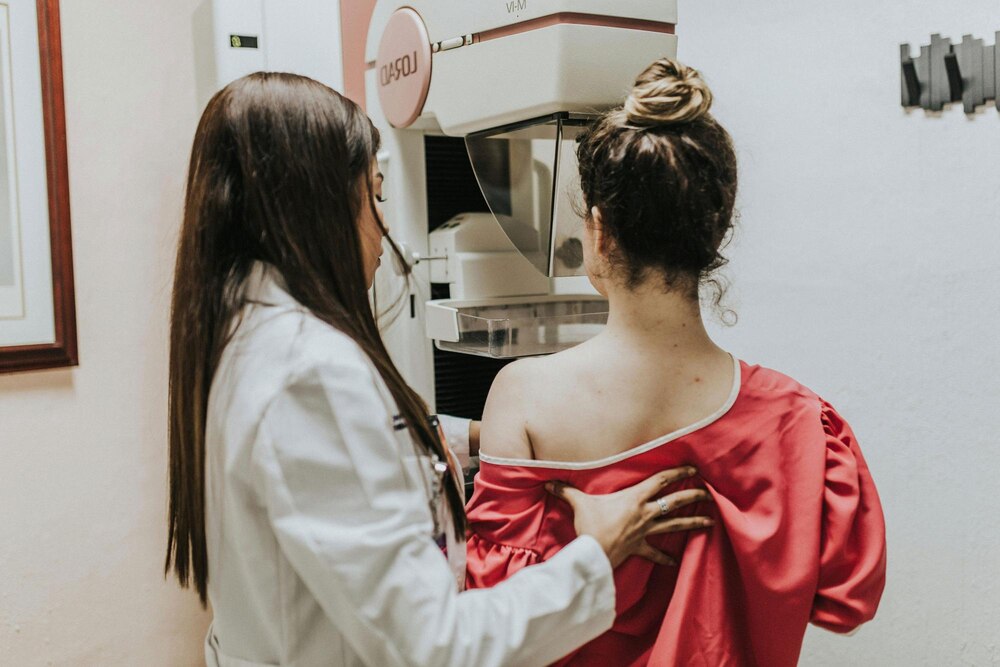
Sudden changes in breast size can be alarming, especially when only one breast is affected. While natural breast asymmetry is common, with most people having slight differences between their breasts, a noticeable increase in the size of a single breast warrants attention and understanding. This comprehensive guide explores the various causes of unilateral breast enlargement, helps you recognize warning signs, and provides clear guidance on when to seek medical care.
Is It Normal for One Breast to Be Bigger Than the Other?
Breast asymmetry affects the majority of people with breasts, making it more common than perfect symmetry. Understanding the difference between natural variation and concerning changes is essential for maintaining breast health and knowing when medical evaluation is necessary.
Natural Breast Asymmetry vs. Sudden Changes
Natural breast asymmetry typically develops during puberty and remains relatively stable throughout adulthood. This type of asymmetry often involves subtle differences in size, shape, or nipple position that have been present for years. Most women notice these variations only when specifically looking for them, and the difference rarely exceeds one cup size.
In contrast, sudden unilateral breast enlargement represents a departure from your baseline anatomy. This change occurs over days, weeks, or months rather than years, and the affected breast may feel different in texture, temperature, or firmness. The key distinction lies in the timeline and accompanying symptoms rather than the mere presence of asymmetry.
When Breast Size Difference Becomes a Medical Concern
Several indicators suggest that breast asymmetry requires medical evaluation. Rapid onset changes occurring within a few weeks, progressive enlargement that continues over time, or size differences exceeding what you’ve previously experienced all warrant professional assessment. Additional concerning features include skin changes such as redness, dimpling, or an orange-peel texture, nipple discharge or inversion, palpable lumps or thickening, persistent pain or tenderness, and fever or systemic symptoms.
The timeline of change provides crucial diagnostic information. Changes occurring over 24-72 hours often indicate acute inflammation or infection, while gradual changes over weeks to months may suggest hormonal influences, cysts, or other growths requiring different evaluation approaches.
What Causes Swelling in Only One Breast? Common and Rare Conditions
Understanding the potential causes of unilateral breast enlargement helps guide appropriate medical evaluation and reduces anxiety about symptoms. Causes range from benign and easily treatable conditions to those requiring more intensive intervention.
Benign Causes of Single Breast Enlargement
Breast cysts represent one of the most common causes of sudden breast enlargement, affecting approximately 7% of women during their lifetime and comprising about 15% of all palpable breast masses. These fluid-filled sacs can develop rapidly, sometimes overnight, causing noticeable size changes and tenderness. Cysts typically feel smooth and mobile, may fluctuate with menstrual cycles, and can be easily diagnosed and treated through ultrasound-guided aspiration.
Fibrocystic changes, affecting up to 50% of women at some point, can occasionally present asymmetrically. These benign tissue changes cause lumpiness, tenderness, and size fluctuations that often correlate with hormonal cycles. While usually bilateral, fibrocystic changes can be more pronounced on one side, creating apparent asymmetry.
Hormonal fluctuations during menstruation, pregnancy, or perimenopause can trigger unilateral breast swelling. Some individuals experience more pronounced hormonal effects on one breast due to differences in tissue sensitivity or receptor distribution. These changes typically resolve once hormone levels stabilize.
Infections and Inflammatory Conditions
Mastitis, an infection of breast tissue, affects approximately 10% of breastfeeding women in the United States, though it can also occur in non-lactating individuals. The condition typically presents as unilateral swelling with redness, warmth, and tenderness. Without proper treatment, 3-11% of mastitis cases progress to breast abscess formation, causing more significant enlargement and requiring drainage procedures.
Cellulitis, a bacterial skin infection, can affect breast tissue and cause rapid swelling, redness, and warmth. Unlike mastitis, cellulitis primarily involves the skin and superficial tissues rather than deeper breast structures. The infection spreads along tissue planes, creating a well-demarcated area of inflammation that responds to antibiotic therapy within 48-72 hours when properly treated.
Blocked milk ducts in lactating individuals can cause localized swelling and firm areas within one breast. While not initially infectious, persistent blockages can lead to secondary infection and mastitis if not addressed through proper drainage techniques and positioning during feeding.
When to Worry: Inflammatory Breast Cancer and Other Serious Conditions
Inflammatory breast cancer (IBC) represents 1-5% of all breast cancer cases and requires immediate attention due to its aggressive nature. Unlike typical breast cancer, IBC often presents without a discrete lump, instead causing rapid breast enlargement, skin changes resembling an orange peel (peau d’orange), persistent redness or bruising appearance, and breast warmth or heaviness.
The American Cancer Society recommends that if antibiotic treatment for suspected infection doesn’t improve symptoms within 7-10 days, further evaluation for IBC is necessary. This timeline provides a crucial diagnostic window – benign infections typically show improvement within this period, while IBC symptoms persist or worsen.
Other serious but less common causes include lymphoma affecting breast tissue, metastatic disease from other primary cancers, and rare inflammatory conditions such as granulomatous mastitis. These conditions require specialized evaluation and treatment beyond standard breast infection management.
Unilateral Gynecomastia in Males
Gynecomastia affects 50-70% of adolescent males, with many cases presenting unilaterally or with asymmetric breast tissue development. Unilateral gynecomastia results from hormonal imbalances, medication side effects, or underlying endocrine conditions. Common medication triggers include certain antidepressants, anti-androgens, anabolic steroids, and some cardiac medications.
Adult-onset unilateral gynecomastia warrants careful evaluation to rule out underlying causes such as testicular tumors, liver disease, or hormone-producing tumors. While most cases are benign and related to normal hormonal fluctuations or medication effects, the sudden development of breast tissue in adult males requires medical assessment to identify treatable causes.
Should I See a Doctor If Only One Breast Is Swollen? Self-Assessment Guide
Determining when to seek medical care for unilateral breast changes can be challenging. This guide provides clear criteria to help you make informed decisions about your health care needs.
Red Flag Symptoms Requiring Immediate Medical Attention
Certain symptoms indicate the need for urgent medical evaluation within 24-48 hours. These include rapid breast enlargement over hours to days, skin changes including peau d’orange texture or persistent redness, fever above 101°F with breast symptoms, severe pain unresponsive to over-the-counter medications, and nipple discharge, especially if bloody or occurring spontaneously.
Additional urgent indicators include failure to improve after 7-10 days of antibiotic treatment for suspected infection, palpable masses that feel fixed or irregular, skin ulceration or breakdown, and swollen lymph nodes in the armpit or collarbone area. These symptoms may indicate serious conditions requiring prompt diagnosis and treatment.
Questions Your Doctor Will Ask
Preparing for your medical appointment helps ensure accurate diagnosis. Your healthcare provider will inquire about the timeline of changes, including when you first noticed the enlargement and how rapidly it developed. They’ll ask about associated symptoms such as pain, skin changes, or systemic symptoms like fever or weight loss.
Your medical history provides important context, including current medications, recent pregnancies or breastfeeding, menstrual cycle patterns, previous breast problems, and family history of breast or ovarian cancer. Lifestyle factors such as recent trauma, new medications or supplements, and changes in exercise or weight also influence diagnostic considerations.
Diagnostic Tests for Unilateral Breast Changes
The diagnostic approach typically begins with clinical examination followed by imaging studies. Ultrasound effectively evaluates breast tissue in younger patients and identifies cysts, solid masses, and inflammatory changes. Mammography provides comprehensive evaluation in patients over 40 or when cancer is suspected, offering detailed views of breast architecture and calcifications.
When imaging reveals concerning findings, tissue sampling through fine needle aspiration, core needle biopsy, or surgical biopsy provides definitive diagnosis. These procedures, typically performed under local anesthesia with image guidance, allow pathological examination to distinguish benign from malignant conditions and guide treatment planning.
Treatment Options for Single Breast Enlargement
Treatment approaches vary significantly based on the underlying cause, ranging from conservative observation to medical management or surgical intervention.
Medical Management: Antibiotics, Hormonal Treatments, and Drainage
Infectious causes typically respond to antibiotic therapy within 7-10 days. First-line treatments include antibiotics targeting common breast pathogens, with most patients experiencing symptom improvement within 48-72 hours of starting appropriate therapy. Supportive care with warm compresses, proper breast support, and pain management enhances recovery.
Cyst management depends on symptom severity and patient preference. Simple cysts may be observed if asymptomatic, while symptomatic cysts benefit from ultrasound-guided aspiration providing immediate relief. Recurrent cysts might require hormonal therapy or surgical excision in select cases.
Hormonal treatments address underlying endocrine imbalances causing breast enlargement. Options include selective estrogen receptor modulators for hormone-sensitive conditions, aromatase inhibitors in postmenopausal women, and medication adjustments when drug-induced changes are identified.
When Surgery Is Necessary
Surgical intervention becomes necessary for breast abscesses unresponsive to antibiotics and aspiration, suspicious masses requiring excisional biopsy, persistent gynecomastia causing psychological distress, and confirmed malignancies requiring oncologic treatment. The surgical approach depends on the specific condition and may range from minimally invasive drainage procedures to more extensive tissue removal.
For persistent unilateral gynecomastia in males, surgical options include liposuction for primarily fatty tissue, direct excision for glandular tissue, or combination approaches for optimal chest contouring. Recovery typically involves 1-2 weeks of limited activity with gradual return to normal function.
Managing Breast Asymmetry After Treatment
Following treatment of the underlying cause, some degree of asymmetry may persist. Management options include observation for minor differences not causing distress, specialized bras or prosthetic inserts for moderate asymmetry, and surgical correction through reduction, augmentation, or fat transfer for significant size differences affecting quality of life.
The decision to pursue corrective procedures depends on individual preferences, the degree of asymmetry, and overall health status. Many individuals adapt to minor asymmetry without intervention, while others benefit from surgical symmetry restoration.
Age and Gender-Specific Considerations
Different life stages and biological factors influence the evaluation and management of unilateral breast enlargement.
Teenage Breast Development and Asymmetry
Adolescent breast development commonly involves temporary asymmetry as breasts grow at different rates. This normal variation typically resolves by the completion of puberty, usually within 2-3 years of initial development. However, sudden unilateral enlargement outside the context of normal development, especially with skin changes or systemic symptoms, requires evaluation.
Parents and teens should monitor for progressive asymmetry exceeding one cup size, breast masses or unusual firmness, skin changes or nipple discharge, and signs of precocious or delayed puberty. Most adolescent asymmetry requires only reassurance and monitoring, with intervention reserved for pathological causes or persistent significant asymmetry after growth completion.
Pregnancy and Breastfeeding-Related Changes
Pregnancy and lactation create unique considerations for breast changes. Unilateral enlargement during these periods may result from differential milk production, blocked ducts more prominent on one side, positioning preferences during feeding, or mastitis complicating normal lactation changes.
Prevention strategies include proper latch technique, frequent position changes during feeding, complete breast emptying, and prompt attention to blocked ducts. When problems arise, lactation consultants provide valuable support for technique optimization and problem-solving before medical intervention becomes necessary.
Post-Menopausal Breast Changes
Post-menopausal women experiencing new unilateral breast enlargement require careful evaluation given increased cancer risk with age. Hormone replacement therapy can cause breast changes, though typically bilateral. Unilateral changes in this population warrant prompt imaging and possible biopsy to exclude malignancy.
Age-related tissue changes, including fatty replacement of glandular tissue, can create apparent asymmetry as breasts respond differently to hormonal changes. Regular screening mammography becomes particularly important for early detection of pathological changes in this population.
Living with Breast Asymmetry: Practical Tips and Support
Managing breast asymmetry involves both practical solutions and emotional support to maintain quality of life.
Finding Properly Fitted Bras and Clothing Solutions
Proper bra fitting accommodates size differences through adjustable features and strategic padding. Professional fitting services at specialty lingerie stores help identify styles that provide optimal support and symmetry. Solutions include bras with removable padding allowing customization, silicone inserts for the smaller breast, and styles with stretch fabrics accommodating size variations.
Clothing strategies minimize apparent asymmetry through pattern selection, layering techniques, and strategic draping. Printed fabrics, asymmetric necklines, and structured jackets help create visual balance without drawing attention to size differences.
Emotional Impact and Body Image Support
Breast asymmetry can significantly impact self-esteem and body image, particularly when sudden changes occur. Acknowledging these feelings validates the emotional component of physical changes. Support resources include counseling for body image concerns, support groups for individuals with similar experiences, and online communities providing peer support and practical advice.
Professional counseling becomes particularly valuable when asymmetry affects intimate relationships, creates persistent anxiety or depression, or interferes with daily activities. Cognitive-behavioral therapy helps develop coping strategies and improve body acceptance.
Frequently Asked Questions About One-Sided Breast Enlargement
Addressing common concerns helps individuals better understand their symptoms and make informed healthcare decisions.
Can Gynecomastia Occur on Just One Side?
Yes, gynecomastia frequently presents unilaterally, particularly in adolescents where asymmetric development is common. Adult-onset unilateral gynecomastia affects approximately 25-30% of men with the condition. Causes include uneven hormone receptor sensitivity between breasts, medication effects manifesting asymmetrically, and underlying conditions affecting hormone production or metabolism. Treatment approaches mirror those for bilateral gynecomastia but require careful surgical planning to achieve chest symmetry.
How Quickly Should Antibiotics Work for Breast Infections?
Antibiotics for breast infections typically show initial improvement within 48-72 hours, with significant symptom reduction by days 5-7. Complete resolution usually occurs within the 10-14 day treatment course. If symptoms persist or worsen after 7-10 days of appropriate antibiotic therapy, further evaluation becomes necessary to rule out resistant organisms, abscess formation, or non-infectious causes including inflammatory breast cancer.
Warning signs of treatment failure include increasing breast size despite antibiotics, spreading redness or skin changes, new systemic symptoms, and development of palpable fluid collections suggesting abscess formation.
Is Sudden Breast Asymmetry Always Cancer?
No, sudden breast asymmetry is more commonly caused by benign conditions than cancer. Infections, cysts, and hormonal changes account for the majority of cases. However, the possibility of cancer, particularly inflammatory breast cancer, necessitates proper evaluation when symptoms persist or red flag features are present. The key lies in appropriate medical assessment rather than assuming either benign or malignant causes without professional evaluation.
When to Seek Specialized Care at Boston Gyno
Specialized evaluation becomes valuable when dealing with persistent or complex breast enlargement issues, particularly for male patients with gynecomastia.
Surgical Solutions for Persistent Unilateral Gynecomastia
Boston Gyno specializes in treating unilateral gynecomastia through customized surgical approaches. The center’s expertise addresses the unique challenges of achieving symmetric chest contours when only one side requires treatment. Surgical techniques are tailored to individual anatomy, considering factors such as skin quality, glandular versus fatty tissue composition, and desired aesthetic outcomes.
Recovery protocols optimize healing while maintaining chest symmetry, with most patients returning to normal activities within 2-3 weeks. Success rates for patient satisfaction exceed 95% when appropriate candidates undergo surgery with experienced specialists.
Getting a Second Opinion
Second opinions provide valuable perspective for complex cases, uncertain diagnoses, or when considering surgical intervention. Preparing for consultation includes gathering previous medical records, imaging studies, and pathology reports. Insurance frequently covers second opinion consultations, particularly for surgical recommendations or cancer concerns.
Questions to address during consultation include alternative treatment options, expected outcomes and recovery timelines, and potential risks or complications specific to your situation.
Key Takeaways: Understanding Your Single Breast Enlargement
Sudden unilateral breast enlargement requires thoughtful evaluation to distinguish benign from serious causes. Most cases result from treatable conditions such as infections, cysts, or hormonal changes. However, persistent symptoms, especially those unresponsive to initial treatment, warrant thorough investigation to exclude malignancy.
Critical decision points include seeking immediate care for red flag symptoms, allowing 7-10 days to assess antibiotic response for suspected infections, and pursuing imaging and possible biopsy for persistent unexplained changes. Understanding these guidelines empowers individuals to advocate for appropriate care while avoiding unnecessary anxiety about benign conditions.
Remember that breast asymmetry itself is common and often normal, but sudden changes deserve medical attention. Early evaluation provides the best opportunity for successful treatment, whether addressing simple infections or identifying conditions requiring specialized care. Trust your instincts about changes in your body and seek professional evaluation when concerns arise.



