

Last updated: August 20, 2026
More men are looking into nipple reduction than ever before. Awareness of the procedure has grown, the stigma around male cosmetic surgery keeps fading, and what once felt like something to quietly live with is now a straightforward, well-understood correction. If prominent, puffy, or asymmetrical nipples affect how you feel in a t-shirt or at the gym, this guide explains what the procedure involves and what to expect.
Why Are More Men Choosing Nipple Reduction Surgery Now?
Nipple reduction surgery for men is experiencing notable growth as awareness increases and stigma decreases. Men who once accepted prominent or asymmetrical nipples as simply part of their anatomy are now seeking consultation and correction. The procedure addresses nipples that protrude excessively, measure longer than average, appear puffy, or show noticeable asymmetry between sides.
Several factors contribute to rising interest in this procedure. Increased visibility of male chest aesthetics in fitness culture, media representation, and social settings has heightened awareness of nipple appearance as a component of overall chest contour. Men who maintain athletic physiques may find that well-defined chests make nipple concerns more apparent rather than concealed.
What Is Driving the Growth in Male Nipple Procedures?
Modern men demonstrate greater willingness to address cosmetic concerns that affect their confidence and comfort. Unlike previous generations, many men now view surgical correction of aesthetic concerns as a legitimate self-care investment rather than vanity. The availability of minimally invasive techniques with shorter recovery periods makes this intervention more accessible for men with active professional and personal schedules.
Additionally, improved information availability through reputable sources helps men understand that nipple concerns are common and treatable. Practices emphasizing patient education and outcomes communication – rather than focusing solely on marketing spend – build trust and encourage men to pursue consultations they might otherwise avoid.
How Does Practice Investment in Patient Experience Affect Outcomes?
Surgeons who invest in comprehensive patient experience typically report higher satisfaction rates and better surgical outcomes. When practices prioritize clear communication about procedure options, realistic expectations, and thorough recovery guidance, patients arrive better prepared for surgery and recovery. This preparation contributes to smoother procedures and more predictable results.
For men in the Boston area seeking this operation or nipple correction surgery, choosing a practice with established experience in male chest procedures ensures access to practitioners who understand the nuanced anatomy and aesthetic goals specific to men. This specialized focus translates into more natural-looking results and higher patient confidence throughout the process.
What Is Nipple Reduction Surgery?
Nipple reduction surgery is a precise cosmetic procedure that reshapes enlarged, protruding, or asymmetrical nipples to achieve a more proportionate appearance relative to the surrounding chest tissue. The surgery involves careful removal of tissue to reduce projection, height, or width while preserving nipple function and sensation.
Surgeons perform this correction using local anesthesia with sedation or general anesthesia depending on patient preference and procedure complexity. The approach typically involves making precise incisions around the nipple base or along its length, removing excess tissue, and closing with fine sutures designed to minimize visible scarring.
How Does This Procedure Differ from Gynecomastia Surgery?
While both procedures address male chest concerns, gynecomastia surgery focuses on reducing excess breast glandular tissue and fat to flatten and contour the chest wall. Nipple reduction targets the nipple itself – specifically the projection, size, and symmetry of the nipple component.
These operations can be performed separately or combined when patients present with both breast tissue prominence and nipple concerns. For men experiencing puffy nipples caused by tissue beneath the areola, correction may involve addressing both the areolar prominence and nipple projection through complementary techniques.
What Types of Nipple Concerns Can Be Addressed?
Nipple reduction surgery effectively addresses multiple aesthetic concerns including nipples that project significantly outward, nipples with excessive length or width, asymmetrical nipples where one side differs noticeably from the other, and elongated nipples resulting from weight fluctuations or aging. The procedure can also address nipples that appear puffy or enlarged at the base.
Each concern requires specific surgical consideration. Protruding nipples typically involve reducing the milk duct and surrounding tissue to decrease projection. Long nipples may require vertical tissue removal and reshaping. Asymmetrical nipples are corrected by adjusting one or both sides to achieve balance while maintaining natural appearance.
What Nipple Concerns Can Nipple Reduction Surgery Address?
Nipple reduction surgery addresses several distinct aesthetic concerns that affect male chest appearance. The most common concerns include projection issues where nipples extend prominently outward, dimensional concerns involving excessive length or width, asymmetry between the two nipples, and puffy appearance at the nipple base.
Men may present with one concern or a combination requiring comprehensive assessment. During consultation, surgeons evaluate nipple position relative to the chest wall, the relationship between nipple and areolar dimensions, and how these factors interact with overall chest contour. This evaluation guides surgical planning to achieve harmonious results.
How Are Enlarged or Puffy Nipples Corrected?
Enlarged or puffy nipples often result from excess tissue development beneath the nipple or around the areolar border. Correction typically involves removing targeted tissue through carefully placed incisions, reducing the prominence while maintaining natural nipple contours.
In cases where puffy nipples persist after gynecomastia surgery, revision procedures may address residual concerns through refined tissue management. The goal is achieving smooth chest contour without visible nipple prominence that draws unwanted attention.
Can Asymmetry Between Nipples Be Fixed?
Nipple asymmetry is common and typically involves differences in projection, size, or positioning between the two sides. Surgical correction addresses asymmetry by adjusting one or both nipples to achieve balance while maintaining natural appearance.
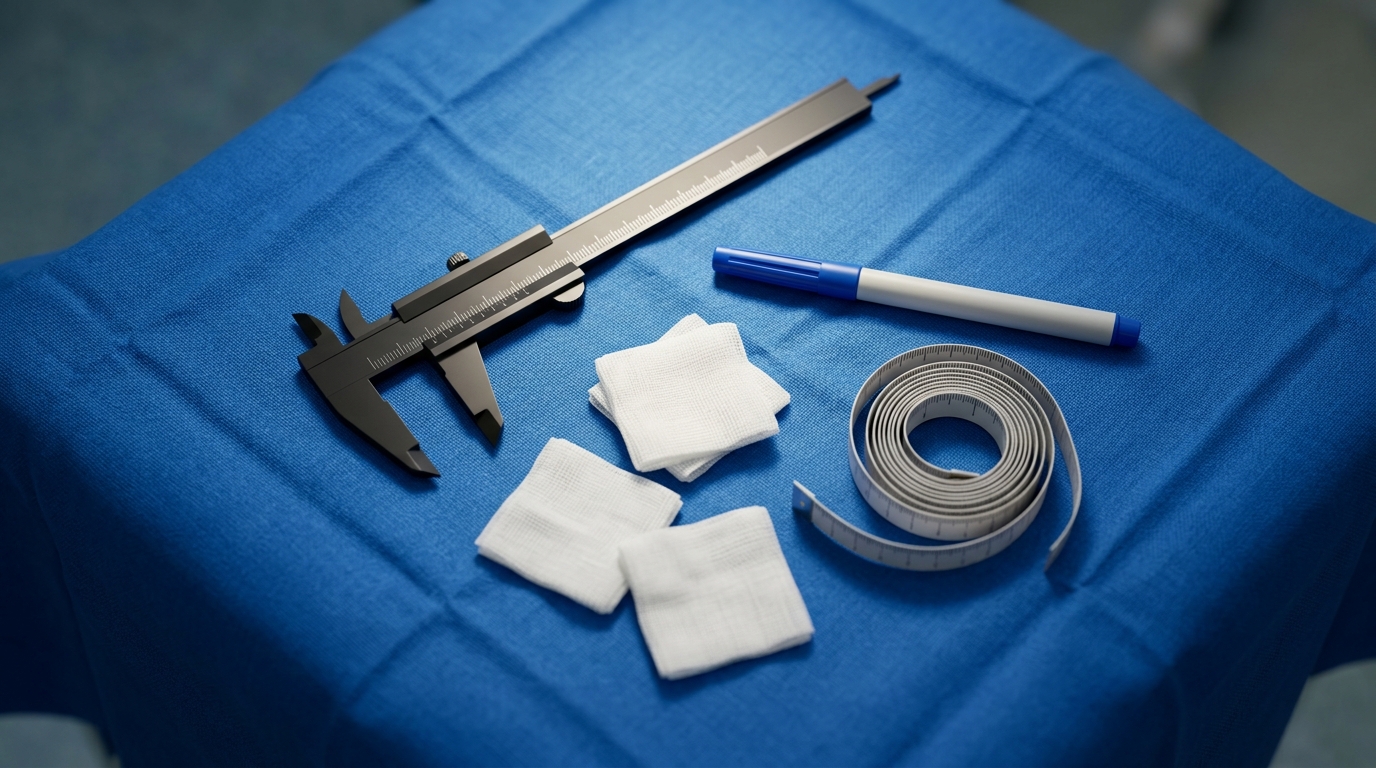
The procedure involves carefully measuring both nipples before surgery to determine appropriate adjustments. One nipple may be reduced while the other is augmented through tissue rearrangement, or both may be adjusted to meet in the middle for optimal symmetry. The goal is proportional balance that appears natural rather than artificial.
Who Is a Good Candidate for Nipple Reduction Surgery?
Ideal candidates for nipple reduction surgery are healthy men who feel self-conscious about nipple appearance and have realistic expectations about outcomes. Candidates should be non-smokers or willing to stop smoking before and after surgery, as smoking impairs healing and increases complication risk.
The procedure suits men whose nipple concerns have remained stable rather than fluctuating. Candidates should understand that nipples may change with future weight fluctuations, aging, or hormonal shifts. Optimal candidates have explored their concerns, understand the procedure limitations, and pursue surgery for personal rather than external motivation.
What Health Factors Matter for Nipple Surgery?
General health status significantly impacts surgical candidacy and recovery. Surgeons evaluate cardiovascular health, bleeding disorders, and immune function during consultation. Chronic conditions like diabetes require careful management before proceeding.
Medications affecting blood clotting, including aspirin, ibuprofen, and certain supplements, must be discontinued before surgery under surgeon guidance. Candidates should disclose all medications and supplements during consultation to ensure safe surgical planning.
Is Nipple Reduction Right for Men with Gynecomastia?
Men with gynecomastia frequently present with concurrent nipple concerns, as breast tissue prominence often affects nipple projection and appearance. For these men, combining gynecomastia surgery with nipple reduction addresses both concerns in a single procedure.
Bodybuilders experiencing gynecomastia related to anabolic steroid use often benefit particularly from combined approaches, as their low body fat percentage makes nipple concerns more visible. Surgical planning accounts for their athletic physique goals and muscle definition expectations.
How Is Nipple Reduction Surgery Performed?
Nipple reduction surgery involves precise tissue removal and reshaping through carefully planned incisions. The surgeon first marks the planned incision lines while the patient is upright, ensuring accurate correction that appears natural when standing. Local anesthesia numbs the area completely, and sedation options provide additional comfort.

The surgeon removes targeted tissue using the predetermined technique, whether reducing projection, length, or width. Sutures close the incision with meticulous technique designed to minimize scarring along natural skin lines. The operation typically concludes within one hour when performed alone.
What Techniques Do Surgeons Use for Nipple Reshaping?
Surgeons employ several techniques depending on the specific concern. For projection reduction, surgeons may use a wedge excision removing a triangular segment from the side of the nipple, allowing the remaining tissue to be repositioned with reduced height. For length reduction, vertical tissue removal shortens the nipple while maintaining its natural shape.
Asymmetry correction often combines techniques, reducing one nipple while ensuring the adjusted position matches the untreated side. Modern techniques preserve milk ducts and sensory nerves when possible, maintaining nipple function.
How Long Does the Nipple Reduction Procedure Take?
Nipple reduction surgery typically requires 30 to 60 minutes when performed alone. The duration depends on whether correction involves one or both nipples, the complexity of tissue adjustment needed, and whether combining the procedure with gynecomastia surgery.
Men undergoing combined procedures should plan for longer surgical time, potentially two to three hours depending on the extent of chest contouring required. The surgeon’s experience and technique efficiency also influence procedure duration.
What Is Recovery Like After Nipple Reduction Surgery?
Recovery following nipple reduction surgery is generally straightforward, with most men experiencing mild discomfort manageable with over-the-counter pain relief. The chest area typically shows some swelling and mild bruising that resolves within one to two weeks. Sutures, if used, are typically absorbable and do not require removal.

Patients wear a compression garment or soft dressing for the first week to support healing tissue and minimize swelling. Most men can shower normally within 24 to 48 hours, though submerging the chest in pools or baths should wait until healing progresses.
How Soon Can Men Return to Work After Nipple Surgery?
Most men return to desk work within three to five days after nipple reduction surgery. The procedure causes minimal mobility restrictions, though patients should avoid activities that pull or stretch the chest area during initial healing.
Men with physically demanding jobs requiring heavy lifting or extensive upper body movement may need seven to ten days before returning to full duties. Surgeons provide specific guidance based on job requirements and individual healing progress.
When Can Exercise Resume Following Nipple Reduction?
Light walking and gentle movement resume within the first few days after surgery. However, exercise routines should pause for approximately two to three weeks to allow proper tissue healing and minimize complications.
Upper body exercises, chest-focused workouts, and swimming should wait until the surgeon confirms healing progress during follow-up consultation. Gradual return to full exercise intensity typically spans several weeks as tissues strengthen and swelling continues to resolve.
What Results Can Men Expect from Nipple Reduction Surgery?
Men undergoing nipple reduction surgery can expect permanent correction of projection, length, or asymmetry concerns. The results stabilize within several weeks as swelling resolves, revealing the final nipple appearance that typically persists long-term.
Satisfaction rates are high among men who pursue this intervention, particularly when surgeons with specialized experience in male chest procedures perform the operation. The procedure consistently improves self-confidence and comfort in situations where chest appearance was previously a source of self-consciousness.
Schedule a Nipple Reduction Consultation in Boston
Men considering nipple reduction surgery in the Boston area benefit from consulting with experienced surgeons who specialize in male chest procedures. Boston Gyno offers comprehensive evaluation and personalized surgical planning for men seeking nipple correction or reduction.
The practice serves patients throughout Greater Boston, including Newton, Cambridge, Brookline, Somerville, Arlington, Belmont, and surrounding Massachusetts communities. Scheduling a consultation provides opportunity to discuss concerns, review options, and develop a treatment plan tailored to individual goals and anatomy.
Frequently Asked Questions
What is nipple reduction surgery for men?
Nipple reduction surgery is a precise cosmetic procedure that reshapes enlarged, protruding, or asymmetrical nipples to achieve a more proportionate appearance. The surgery involves careful removal of tissue to reduce projection, height, or width while preserving nipple function and sensation. Surgeons perform the procedure using local or general anesthesia with fine sutures designed to minimize visible scarring.
What concerns can nipple reduction surgery address?
Nipple reduction surgery addresses multiple aesthetic concerns including projecting nipples that extend outward prominently, nipples with excessive length or width, asymmetrical nipples where one side differs noticeably, and puffy or enlarged nipples at the base. Each concern requires specific surgical consideration tailored to the patient’s anatomy and goals.
Who is a good candidate for nipple reduction surgery?
Ideal candidates are healthy men who feel self-conscious about nipple appearance and have realistic expectations about outcomes. Candidates should be non-smokers or willing to stop smoking before and after surgery. The procedure suits men whose nipple concerns have remained stable rather than fluctuating, and who understand how future weight changes or aging might affect results.
How long is the recovery period after nipple reduction surgery?
Recovery following nipple reduction surgery is generally straightforward, with most men experiencing mild discomfort manageable with over-the-counter pain relief. Swelling and bruising typically resolve within one to two weeks. Patients wear a compression garment for the first week, can shower within 24 to 48 hours, and most men return to desk work within three to five days.
How long do the results of nipple reduction surgery last?
Results from nipple reduction surgery are permanent, stabilizing within several weeks as swelling resolves to reveal the final nipple appearance. Satisfaction rates are high among men who pursue the procedure, particularly when experienced surgeons specializing in male chest procedures perform the operation. The improvement in self-confidence and comfort typically persists long-term.
How does nipple reduction differ from gynecomastia surgery?
While both procedures address male chest concerns, gynecomastia surgery focuses on reducing excess breast glandular tissue and fat to flatten the chest wall. Nipple reduction targets the nipple itself, specifically addressing projection, size, and symmetry. These procedures can be performed separately or combined when patients present with both breast tissue prominence and nipple concerns.



