

Last updated: August 27, 2026
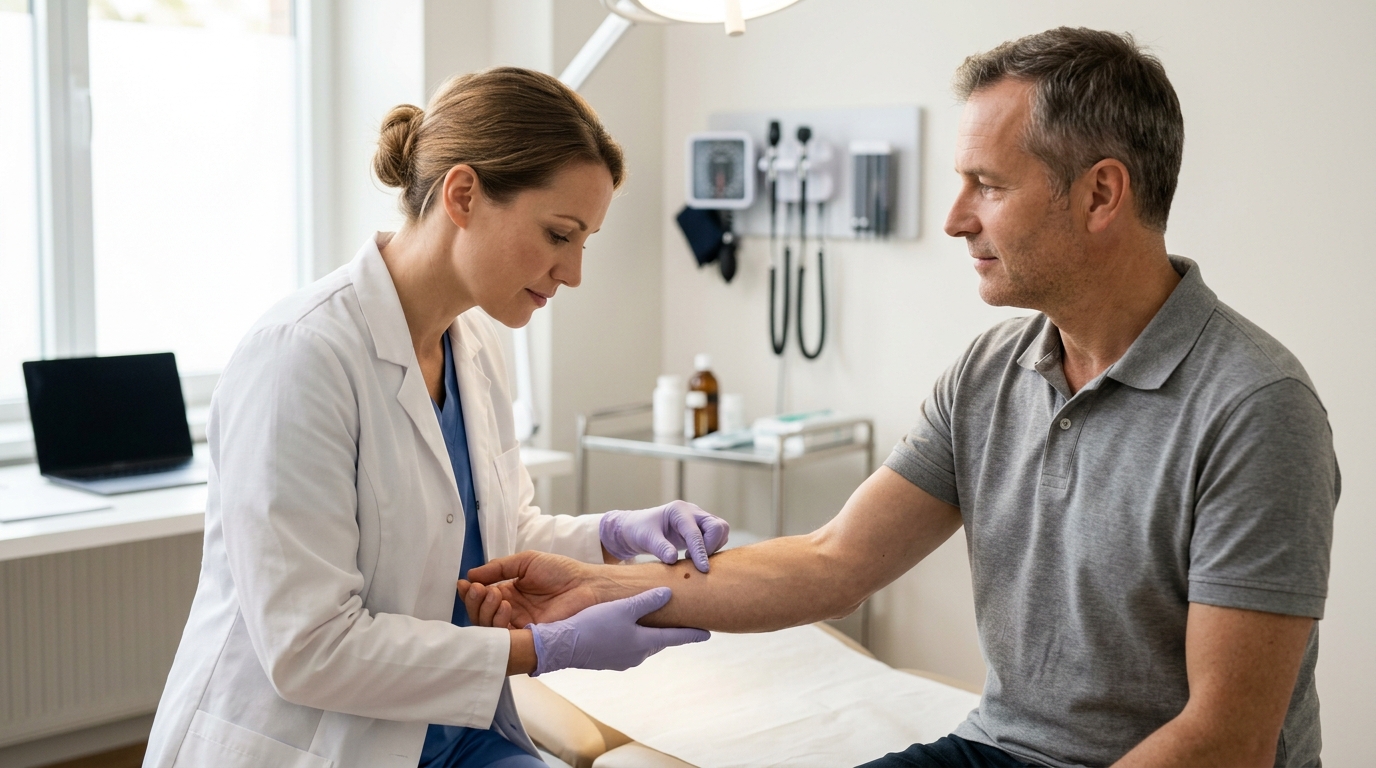
For men across the Boston metropolitan area, finding a trusted provider for professional skin lump removal has often meant navigating crowded specialist offices and lengthy travel times. Boston Gyno – Gynecomastia Surgery Center addresses this challenge by maintaining a dedicated office in Quincy, Massachusetts, at Crown Colony Park with direct highway access from Route 3 and I-93. This South Shore location provides convenient surgical options for residents of Quincy, Boston, Cambridge, and surrounding communities without requiring center-city travel. The office at 2300 Crown Colony Drive, Suite 101 offers appointment flexibility, making it easier for patients from Chelsea, Revere, and Everett to access professional evaluation and treatment for lipomas, cysts, and other benign skin growths.
What Is Skin Lump Removal and Why Do Men Consider It?
These procedures encompass surgical and minimally invasive techniques designed to extract benign growths from beneath or on the surface of the skin. This treatment addresses both cosmetic concerns and physical discomfort that may arise when growths develop in sensitive areas or become irritated by clothing and movement.
What Types of Skin Lumps Are Commonly Removed?
Healthcare providers most frequently see lipomas, which are soft, movable fatty deposits that form just beneath the skin. Skin cysts represent another common type, presenting as firm, closed sacs filled with keratin or fluid. Additional growths requiring extraction include moles, skin tags, and warts, each distinguished by their specific cellular composition and typical presentation.
What Causes These Unwanted Skin Lumps?
The formation of skin lumps stems from various factors including genetic predisposition, hormonal influences, and normal aging processes. Lipomas occur when fat cells accumulate in a concentrated area, while cysts arise from blocked hair follicles or damaged skin glands. Understanding the underlying cause helps guide appropriate treatment selection.
Where Can Massachusetts Men Access These Services?
Residents throughout Greater Boston and the South Shore now have direct access to treatment options at the Quincy Crown Colony Park office. This location serves as a regional hub for patients from Milton, Belmont, and Arlington seeking professional evaluation and treatment.
How Does the Quincy Location Serve South Shore Patients?
The Quincy office at 2300 Crown Colony Drive, Suite 101 provides comprehensive evaluation and extraction services for communities throughout the South Shore region. Patients from Brookline, Newton, and Watertown benefit from reduced travel distance compared to center-city Boston providers. The office maintains standard business hours Monday through Friday, from 8:30 AM to 5:00 PM.
What Highway Access Makes Quincy Convenient for Boston-Area Residents?
Direct access from Route 3 and I-93 positions the Quincy office within easy reach of Somerville, Medford, and Malden residents. Visitors traveling from Logan Airport or surrounding hotel accommodations find the Crown Colony Park location particularly accessible. This highway connectivity eliminates the navigation challenges often associated with Boston center appointments.
What Types of Skin Lumps Can Be Removed?
Medical professionals categorize skin lumps based on their composition, location, and potential for complications. Accurate identification ensures appropriate treatment selection and optimal outcomes for each patient.
What Is a Lipoma and How Is It Treated?
A lipoma represents a non-cancerous growth composed of fat cells that develops between the skin and underlying muscle layer. These growths typically feel soft and doughy to the touch and move easily when pressed. Treatment options range from careful observation for asymptomatic lipomas to surgical excision or minimally invasive removal techniques for those causing discomfort or cosmetic concern.
How Are Skin Cysts Differentiated From Other Growths?
Skin cysts appear as firm, round nodules that often feature a central punctum or small opening. Unlike lipomas, cysts contain a distinct wall surrounding their contents and may become red, tender, or infected if left untreated. Complete extraction of the cyst wall prevents recurrence, distinguishing professional intervention from simple drainage procedures.
How Is the Operation Performed?
Surgical techniques for addressing these growths have evolved to prioritize patient comfort, minimal scarring, and efficient recovery. Board-certified surgeons tailor each approach based on the growth’s characteristics and the patient’s individual needs.
What Surgical Techniques Are Used for Lipoma Removal?
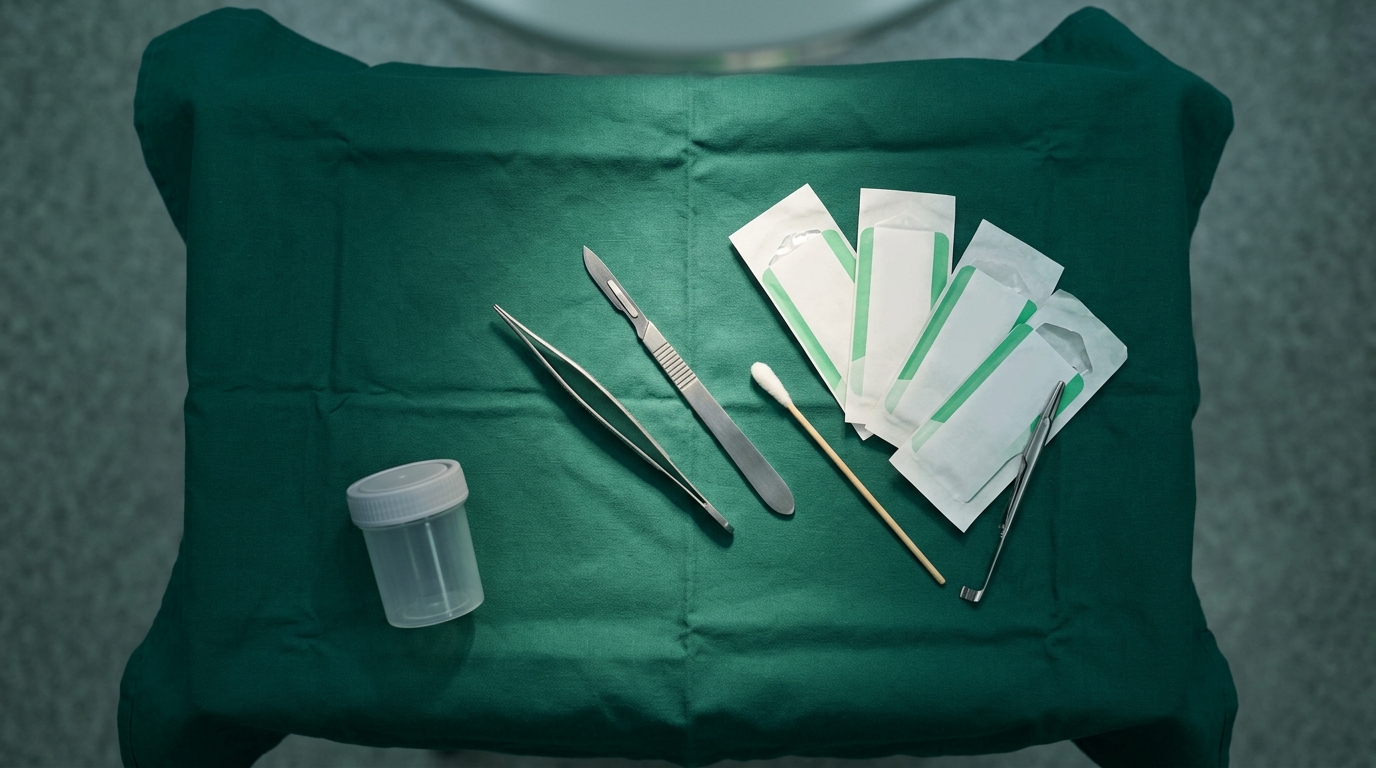
Traditional lipoma removal involves a small incision directly over the growth, allowing the surgeon to carefully separate the fatty tissue from surrounding structures before extraction. For larger or deeper lipomas, liposuction techniques may supplement excision, particularly in areas where aesthetic outcomes are paramount. The surgeon ensures complete removal to prevent regrowth while minimizing trauma to adjacent tissues.
How Are Skin Cysts Safely Extracted?
Complete cyst removal requires excising both the cyst contents and the surrounding capsule wall. The surgeon creates an elliptical incision around the growth, carefully dissecting around the perimeter to maintain the cyst’s integrity. This meticulous approach eliminates the risk of recurrence that accompanies simple incision and drainage methods. The resulting specimen may be sent for laboratory analysis to confirm benign characteristics.
What Happens During the Procedure?
Patients at the Quincy office experience a streamlined process designed for comfort and efficiency. The consultation phase involves thorough evaluation of the growth’s size, depth, and characteristics to determine the most appropriate technique.
How Long Does a Typical Skin Lump Removal Take?
Minor skin lump removals typically complete within 15 to 30 minutes for single, accessible growths. More complex cases involving larger lipomas, multiple cysts, or growths in challenging locations may require additional time. Patients should plan for approximately one hour at the office to accommodate preparation, the procedure itself, and post-procedure instructions.
Is Local Anesthesia Used for Skin Lump Removal?
Local anesthesia numbs the treatment area effectively, ensuring patient comfort throughout the procedure. The surgeon injects a small amount of anesthetic directly around the growth, creating a temporary loss of sensation while the patient remains awake and alert. This approach minimizes risks associated with general anesthesia while providing excellent pain control during and after the procedure.
What Is Recovery Like After the Treatment?
Recovery following these procedures varies based on the growth’s size, location, and the technique employed. Most patients return to normal activities within a short timeframe with appropriate post-operative care.
How Long Does Recovery Take After Skin Lump Removal?
Minor procedures typically allow return to desk work and light activities within 24 to 48 hours. Patients with physically demanding occupations may require several additional days before resuming full duties. Sutures, when used, are usually removed within one to two weeks, and complete tissue healing generally occurs within three to four weeks.
What Restrictions Should I Expect During Recovery?
Post-procedure guidelines emphasize keeping the treatment area clean and dry during initial healing. Patients should avoid strenuous exercise, heavy lifting, and activities that stretch or strain the incision site for at least one week. Showering is typically permitted within 24 to 48 hours, though submersion in pools, hot tubs, or bathtubs should be avoided until the surgeon confirms adequate healing.
What Should I Expect at My Consultation?
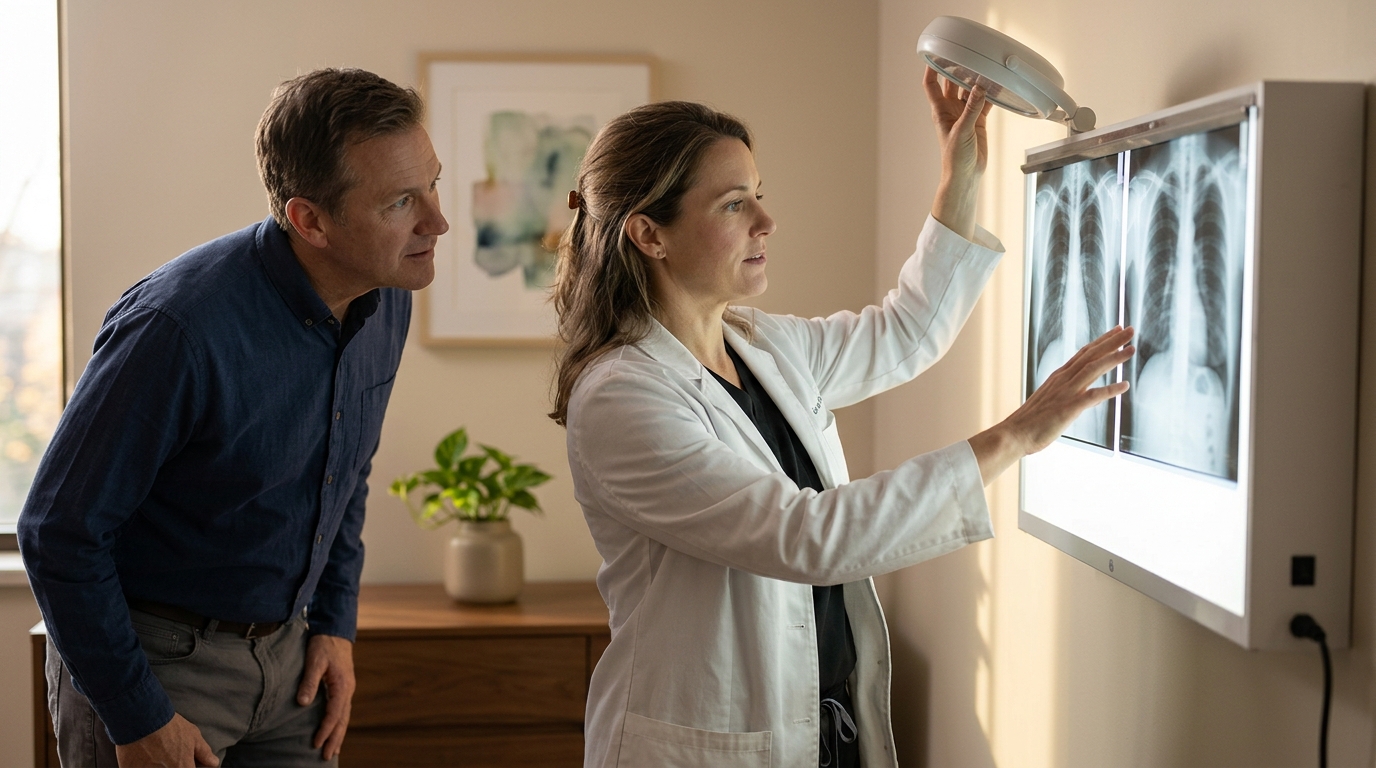
The initial consultation provides an opportunity for thorough evaluation and personalized treatment planning. Dr. Fouad J. Samaha, a board-certified plastic surgeon, examines each growth to determine the most appropriate removal approach and discusses expected outcomes with each patient.
Is Skin Lump Removal Covered by Insurance?
Insurance coverage for these procedures depends on whether the intervention addresses medical necessity or cosmetic concerns. Growths demonstrating signs of infection, causing documented pain, or showing concerning features may qualify for coverage. Patients should consult their insurance provider regarding specific requirements and documentation.
Men across Massachusetts seeking professional skin lump evaluation and removal can schedule a consultation at the Quincy office of Boston Gyno – Gynecomastia Surgery Center. The practice welcomes patients from Cambridge, Boston, Brookline, and all surrounding communities to discuss their individual needs. Contact the office at 617.786.7600 or visit the location at 2300 Crown Colony Drive, Suite 101, Quincy, MA 02169 to arrange an appointment with Dr. Fouad J. Samaha and his experienced team.
Frequently Asked Questions
What types of skin lumps can be removed at the Quincy office?
Healthcare providers most frequently remove lipomas (soft, movable fatty deposits beneath the skin), skin cysts (firm, closed sacs filled with keratin or fluid), moles, skin tags, and warts. Each type is distinguished by its cellular composition and appearance, with treatment selection based on the growth’s characteristics and patient needs.
How long does skin lump removal take?
Minor skin lump removals typically complete within 15 to 30 minutes for single, accessible growths. More complex cases involving larger lipomas, multiple cysts, or growths in challenging locations may require additional time. Patients should plan for approximately one hour at the office to accommodate preparation, the procedure itself, and post-procedure instructions.
What is recovery like after skin lump removal?
Minor procedures typically allow return to desk work and light activities within 24 to 48 hours. Patients with physically demanding occupations may require several additional days. Sutures are usually removed within one to two weeks, and complete tissue healing generally occurs within three to four weeks.
What causes lipomas and skin cysts to form?
Skin lumps develop from various factors including genetic predisposition, hormonal influences, and normal aging processes. Lipomas form when fat cells accumulate in a concentrated area between the skin and muscle layer. Cysts arise from blocked hair follicles or damaged skin glands. Understanding the underlying cause helps guide appropriate treatment selection.
Where can Massachusetts men access skin lump removal services?
The Quincy office at 2300 Crown Colony Drive, Suite 101 serves patients throughout the Greater Boston and South Shore region. Direct access from Route 3 and I-93 makes this location convenient for residents of Quincy, Boston, Cambridge, Brookline, and surrounding communities without requiring center-city travel.
Is local anesthesia used during skin lump removal?
Yes, local anesthesia numbs the treatment area effectively, ensuring patient comfort throughout the procedure. The surgeon injects a small amount of anesthetic directly around the growth, creating temporary loss of sensation while the patient remains awake and alert. This approach minimizes risks associated with general anesthesia while providing excellent pain control.
How are lipomas surgically removed?
Traditional lipoma removal involves a small incision directly over the growth, allowing the surgeon to carefully separate the fatty tissue from surrounding structures before extraction. For larger or deeper lipomas, liposuction techniques may supplement excision, particularly in areas where aesthetic outcomes are important. Complete removal prevents regrowth while minimizing trauma to adjacent tissues.



